




Prysmian has driven significant momentum on the Eastern Green Link 1 (EGL1) project in the past year, successfully advancing its delivery of the 2GW high-voltage direct current (HVDC) link between Torness, Scotland, and Hawthorn Pit, England. Preparations for the onshore cable have successfully cleared several major milestones in recent months, marking a massive step forward in its delivery.
The multi-billion-pound project is being developed through a joint venture between SP Energy Networks and National Grid Electricity Transmission.
Once complete, EGL1 will play a vital role in strengthening the UK’s electricity network. It will help to transport green, renewable energy efficiently across the country and supporting the transition to a cleaner, more resilient energy system.
Significant strides in Scotland
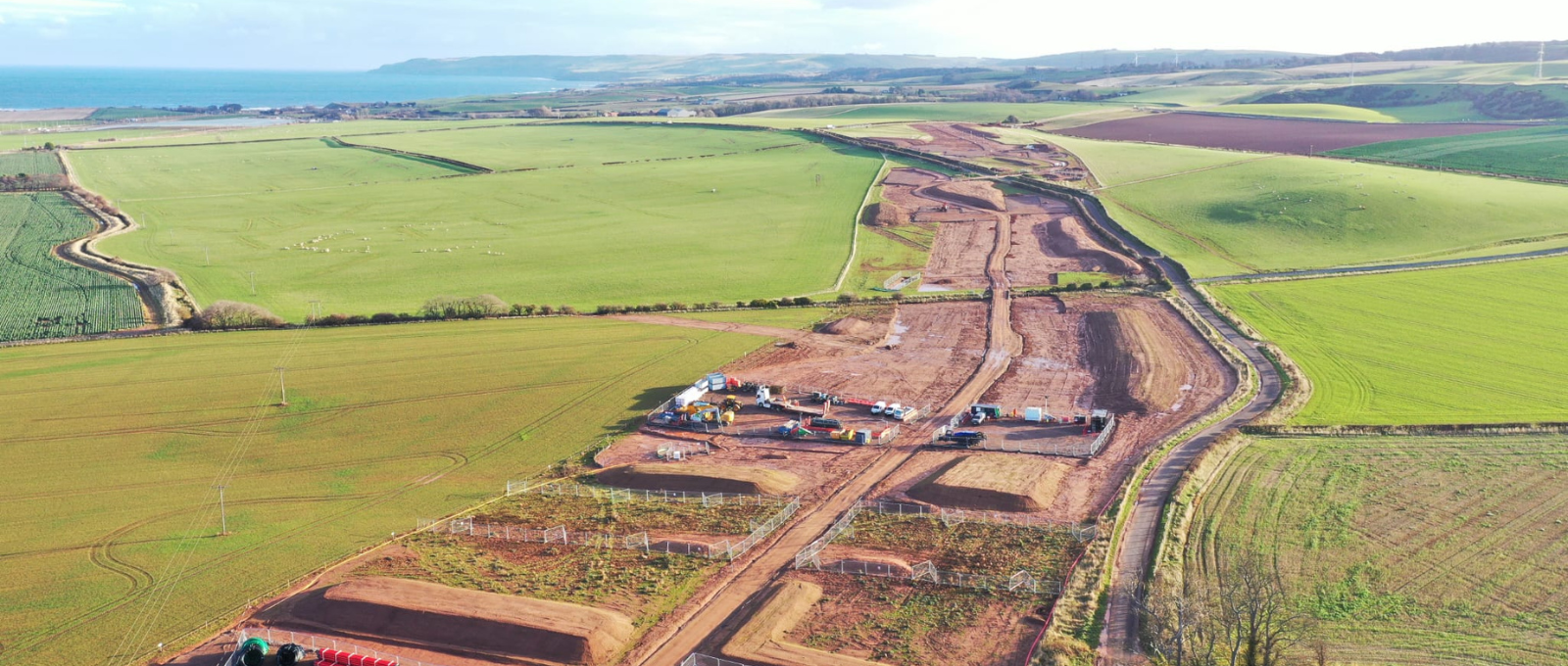
Progress in Scotland in 2025 saw an impressive 18,500 tonnes of stone delivered to the site to support construction activity in 2025. Since final details of the project were approved in August, pre-construction activity has focused on essential earthworks, improving site access, and preparing the ground for future excavation.
1.3km of haul road have been completed in Innerwick, providing safe and reliable access for construction workers, materials and equipment, along with nearly six kilometres of fencing and two road crossings. In addition, more than two kilometres of drainage have been installed, helping to manage water effectively and minimise the risk of local flooding.
The excavation of over one hundred trial pits and the completion of archaeological surveys will supply important ground information that will guide the next stages of the project.
Groundbreaking progress in England
South of the Scottish border, the project has been a hive of forensic activity. Before the heavy cabling infrastructure can arrive, the team has been listening to the landscape in County Durham. To understand the earth beneath their feet, engineers drilled 21 deep boreholes and excavated more than 150 trial pits and drainage holes. This vital data on soil and groundwater ensures that once the cables are laid, they are supported by a stable, sustainable environment.
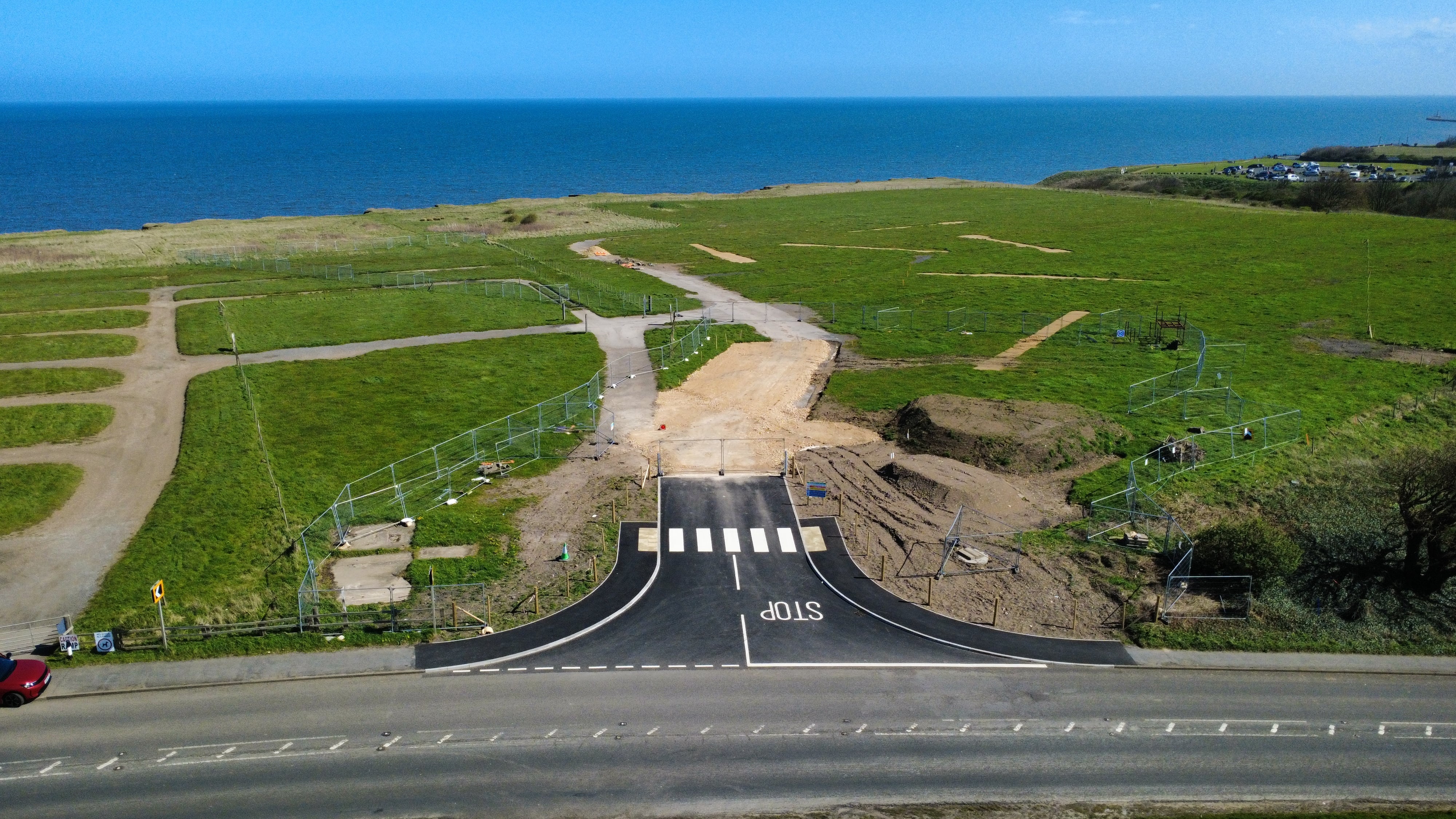
To enable the safe passage of construction vehicles to onsite work areas, four access points have been developed near highways.
These activities aren’t just focused on the future, however, they’re also about respecting the past. The team has carefully dug 219 archaeological trenches along the route, ensuring that any historical secrets buried in the County Durham soil are unearthed and protected before the main works begin. With nearly 2.5km of safety fencing now lining the site and over 1,700 metres of drainage already installed, the stage is officially set for construction.
From temporary to permanent
As well as these ongoing preconstruction works, Prysmian has begun to incorporate permanent construction activities – starting with horizontal directional drilling in Scotland. This trenchless method of installing cables allows key stages of the works programme to continue without disrupting the ground’s surface.
Alberto Pirovano, Project Director at Prysmian for EGL1, said “It is with great pride in our teams working on EGL1 that we have rounded off a successful 2025 on site at both ends of the cable route.
We have made great strides in our temporary works activities and look forward to another year of construction, as we work together to build one of the most exciting infrastructure projects in the UK.”
As the next year progresses, more of the EGL1 temporary preconstruction activities will reach completion, enabling Prysmian to build towards future project stages such as digging open trenches for laying cables, pulling cables into place, and deliveries of cables to site on drums, ready for laying.
Notes to Editors
About Prysmian and EGL1 Social Value
Prysmian is the main contractor for the engineering, procurement, construction, and installation of the HVDC cable system for EGL1. As part of this major infrastructure project, Prysmian is dedicated to delivering significant social value by investing in local communities, supporting local employment and skills, and promoting environmental sustainability throughout the project lifecycle.
About Eastern Green Link 1 (EGL1)
EGL1 is a vital national infrastructure project that will see the construction of a new high-voltage direct current (HVDC) electrical cable link between the Torness area in East Lothian, Scotland, and the Hawthorn Pit area in County Durham, England. Developed by National Grid Electricity Transmission and SP Energy Networks (SPEN), the link will play a crucial role in delivering clean energy to homes and businesses across the UK by increasing the nation’s capacity to transport renewable power across the country.