

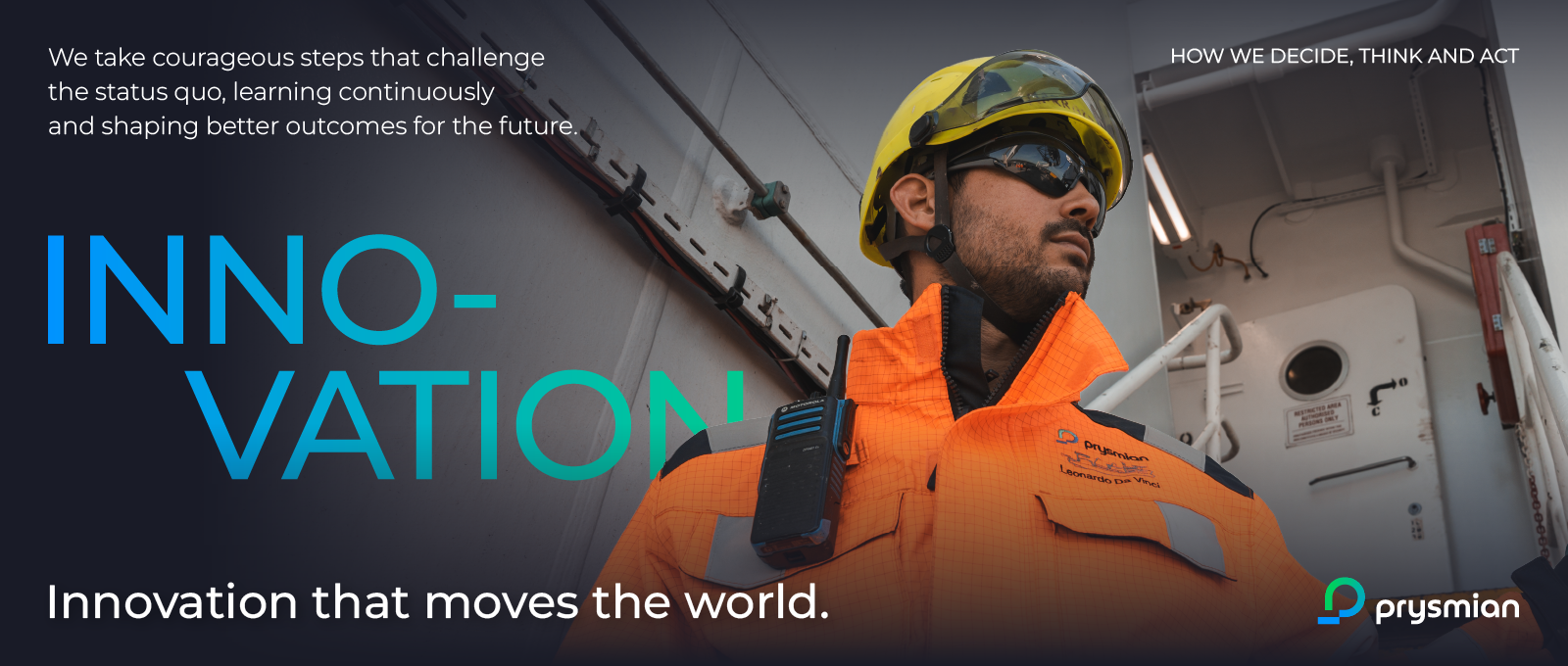
Innovation means taking courageous steps forward to shape the future. It is the way to challenge the status quo with curiosity and responsibility, to experiment thoughtfully, and to learn continuously from both success and failure. Innovation is not limited to new technologies or products — it is present in how we solve problems, improve processes, and make choices when things are uncertain. Through Innovation, we turn insight into action, learning into progress, and change into sustainable value for the business and its stakeholders. Innovation is supported by an environment where people can take well-informed risks without fear of being held back when outcomes do not materialize as expected — provided decisions are transparent, aligned, and responsible.
An individual contributor…
1. experiments responsibly
What it looks like: Tests new approaches, balances risks and rewards, and treats outcomes as learning opportunities. Example: Runs a small pilot program, measures results, and adjusts quickly instead of rolling out untested changes.
2. generates and shares ideas
What it looks like: Proposes practical improvements and challenges inefficient routines. Example: Suggests a workflow simplification that reduces cycle time, and documents the new standard.
3. learns continuously and adapts
What it looks like: Seeks feedback, upgrades skills, continuously improves performance. Example: After feedback, changes the approach in the next cycle and shows measurable improvement.
A manager…
1. creates conditions for innovation in the team
What it looks like: Encourages smart risk-taking and protects time to improve processes. Example: Reserves capacity for improvement initiatives and supports pilot projects with clear boundaries.
2. turns ideas into decisions and actions
What it looks like: Uses data and judgement to decide quickly enough to maintain momentum. Example: Chooses a direction with “good enough” information, defines success metrics, and moves forward.
3. scales what works
What it looks like: Makes learning transferable across teams and avoids reinventing. Turns team members into co-creators. Example: Standardizes successful practices and shares them across the function/region.
An executive…
1. sets innovation direction linked to strategy
What it looks like: Clarifies where innovation matters most and how it supports value creation. Example: Defines a priority theme and aligns investments and leadership attention around it.
2. enables calculated risk at scale
What it looks like: Finds resources and time for experimentation, accepts informed failure, and reinforces transparency. Example: Supports a portfolio of pilot projects, conducts an open review of lessons learned, and reallocates resources based on evidence.
3. builds a learning organization
What it looks like: Embeds continuous learning through governance, capability building, and knowledge sharing. Example: Builds connections to learn from best practices and simplifies processes so decisions and learning opportunities move more quickly.